
Racking & Storage
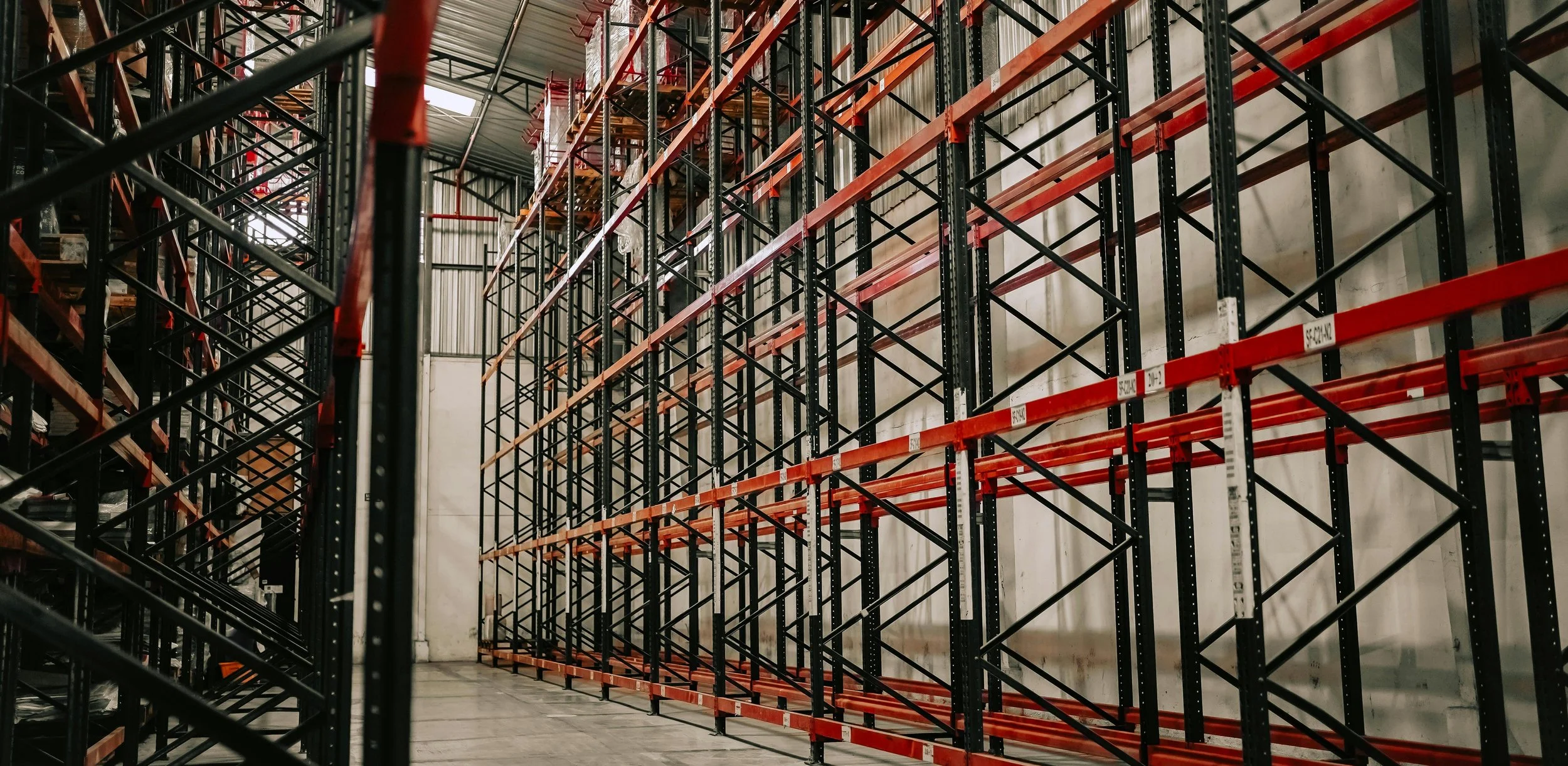
Warehouse racking is not just steel and beams.
It determines:
How much inventory you can store
How efficiently you can pick
Whether you pass inspection
Whether your insurance carrier is comfortable
Whether your team operates safely
Most companies don’t replace racking often. When they do, the stakes are high.
This page gives you structured guidance — from cost and engineering to layout, safety, and long-term maintenance.
If you’re evaluating new racking, expanding an existing system, or troubleshooting safety concerns, start below.
Start With Your Primary Concern
Most buyers come to us with one of these five questions. Find the one that sounds most like yours, then keep reading.
What Does Pallet Racking Cost?
Racking is a capital expense. Under-building it almost always costs more later than building it right the first time. Budget ranges below are ballpark benchmarks. Actual quotes depend on height, beam configuration, seismic zone, and local labor rates.
Cost Questions Buyers Ask Us
How Much Weight Can Pallet Racking Hold?
Load capacity mistakes don't show up right away. They show up the day a beam deflects or an upright buckles. Beam ratings, upright ratings, load distribution, and seismic requirements all matter. Get any one of them wrong and you can lose a whole bay to a posted "do not load" tag.
Note: the ranges and guidance on this page are general benchmarks for planning conversations. Final capacity, seismic, and compliance specifications should be verified by a qualified rack engineer or the manufacturer's published load charts for your specific system.
Which Pallet Racking System Is Right for Your Warehouse?
Not every system solves the same problem. Density, selectivity, forklift type, SKU velocity, and footprint constraints all shape the answer. Here's a quick orientation to the common options.
Rack Type Questions Buyers Ask Us
How to Lay Out Your Racking
Racking decisions tie directly to forklifts, aisle widths, fire code, ceiling height, and expansion plans. Bad layout decisions lock a warehouse into inefficiency for a decade. Good ones leave room to grow without ripping out steel.
Pallet Racking Safety and OSHA Compliance
Damaged racking is common. Ignored damage is a liability. Whether you're prepping for an inspection or trying to cut forklift-related rack damage, start here.
Safety Questions Buyers Ask Us
Pallet Rack Installation and Long-Term Maintenance
Even a perfectly engineered rack system fails when it's installed wrong. Anchoring, permits, and an inspection routine matter more than most buyers expect. Chicago and most Cook County suburbs require a building permit for racking above a certain height, and the timeline can surprise you if you haven't planned for it. The difference between a clean install and a sloppy one shows up the first time a forklift clips an upright.
Racking Buyers Across Chicago and the Midwest
Atlas Pallets & Packaging works with manufacturers, 3PL operators, and distributors throughout Illinois, Indiana, Wisconsin, and the wider Midwest. We turn around quotes within one business day, coordinate delivery to your dock, and stay in the loop through install so there's one point of contact if anything needs adjusting.
What that looks like on your side:
- One phone number and one email from quote through install
- Coordinated delivery windows that match your receiving schedule
- Honest feedback on whether used racking makes sense for your load
- Familiarity with Chicago-area fire codes and permit timelines
Why Work With Atlas for Racking?
Racking doesn't live in isolation. It interacts with your pallet design, load weights, stretch film and strapping strategy, forklift fleet, building constraints, and growth plans. Because we already work closely with pallet design and load specs, we look at racking from the load outward, not from the steel inward.
We help you:
- Verify true load weights before spec
- Avoid under-rated beams and uprights
- Weigh repair vs. expansion vs. full replacement
- Evaluate used inventory intelligently
- Plan layouts with future growth in mind
Racking Decisions Don't Exist in Isolation
Request a Racking Consultation
Planning a new warehouse build-out, a system expansion, a used rack acquisition, damage remediation, a layout redesign, or a capacity check? Start with a structured review. We'll get back to you within one business day.
Request a Consultation